Sugar Plum Crochet Dishcloth: Free Beginner Pattern
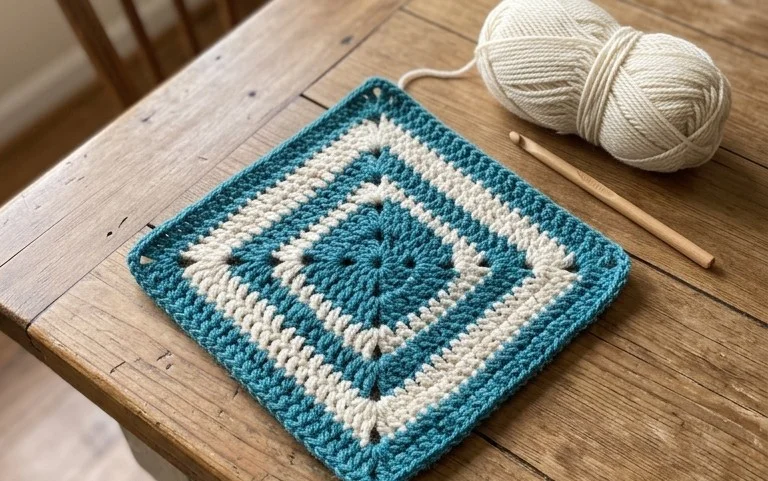
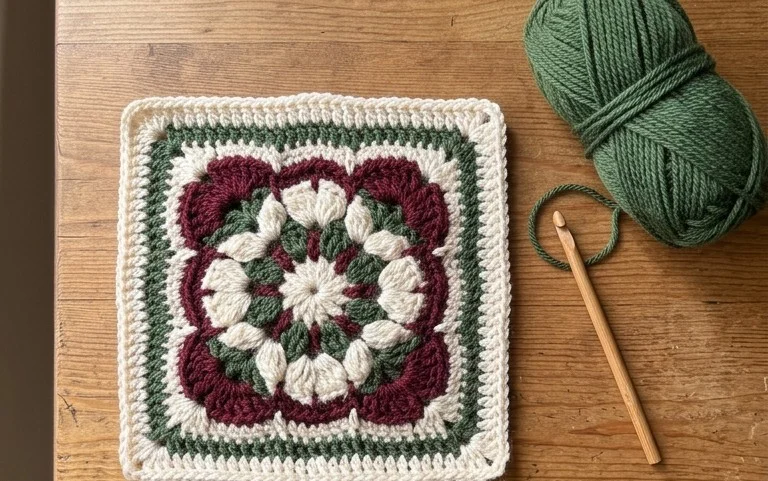
These cotton squares bring a soft, vintage feel to your kitchen counters while providing a sturdy surface for cleaning up holiday messes. The combination of single and double crochet stitches creates a distinct, bumpy texture that grips onto grime better than standard flat cloths. Beginners will find the repetitive stitch pattern comforting, as it builds rhythm quickly without needing to track complex row changes. Making a few of these in deep plum or forest green shades adds a handmade touch to your home decor during the winter season. You will master basic construction and simple edging here.
Why You’ll Love This Pattern
This classic crochet dishcloth works up quickly using simple, sturdy cotton yarn, making it an ideal project for those who want to practice tension control. The texture is designed to be functional, with enough surface area to scrub dishes effectively while remaining soft enough to rinse easily. Because it uses a basic stitch repeat, it functions as a meditative project that requires minimal counting once the foundation row is set. It is also an excellent stash-buster for leftover cotton yarn, allowing you to create a complete set of coordinated kitchen linens in an afternoon.
I managed to finish three of these in a single weekend. The texture is much better than the store-bought versions and they hold up perfectly after multiple washings.
— Sarah, home crafter
Pattern Overview & Skill Level
- Skill Level: Beginner
- Approximate Time: 45 to 60 minutes per cloth
- Construction: Flat panel worked in rows
- Finished Dimensions: 8 inches by 8 inches
Materials & Supplies Needed
- Yarn: Worsted weight (#4) 100% cotton yarn, approximately 60 yards per dishcloth.
- Hook Size: 5.0 mm (US H-8).
- Notions: Tapestry needle for weaving in ends, scissors, and an optional measuring tape.
- Safe Yarn Substitutions: You may use a cotton-linen blend for increased durability, though this may make the finished cloth slightly stiffer. Avoid acrylic yarns, as they are not absorbent enough for cleaning tasks.
Stitch Guide & Abbreviations (US Terms)
- ch = chain
- sc = single crochet
- dc = double crochet
- st(s) = stitch(es)
- sp = space
- sl st = slip stitch
- Moss Stitch: A combination of single crochet and chain stitches worked into the chain spaces of the previous row.
Step-by-Step Pattern Instructions
Main Body
The dishcloth is worked in a flat square, turning at the end of each row. The moss stitch pattern creates a dense, durable fabric.
- Row 1: Ch 32. Sc in the 4th ch from the hook, *ch 1, skip 1 ch, sc in the next ch; repeat from * across to the end. Turn. (16 sc, 15 ch-1 sps)
- Row 2: Ch 2 (counts as ch 1), skip the first sc, sc in the next ch-1 sp, *ch 1, skip the next sc, sc in the next ch-1 sp; repeat from * across, finishing with a sc in the turning ch space. Turn. (16 sc, 15 ch-1 sps)
- Rows 3-30: Repeat Row 2 until the piece measures approximately 8 inches square.
- Finishing: Fasten off, leaving a 6-inch tail. Weave the tail into the fabric using your tapestry needle to secure it.
Care & Washing Instructions
- Machine wash in warm water on a gentle cycle to maintain fabric integrity.
- Tumble dry on low heat or lay flat on a clean towel to air dry to prevent shrinkage.
- Reshape the dishcloth while damp by gently pulling the corners outward to ensure it lies square.
Pro Tips & Common Mistakes to Avoid
Maintain consistent tension throughout the project, as changes in tightness will cause the square to warp or ripple. Place a removable stitch marker in the first chain space of each row to help you easily identify where to work your final stitch. Weave your ends in multiple directions—horizontally, then vertically—to prevent the yarn from working itself loose during repeated scrubbing and washing. If you choose to increase the size of the dishcloth, ensure your starting chain is an even number to keep the moss stitch pattern aligned correctly; remember that increasing the size will require more than the suggested 60 yards of yarn.
Frequently Asked Questions
Can I use a larger hook for this pattern?
Yes, using a larger hook will result in a looser, more open fabric. This can make the dishcloth dry faster, but it will be less effective for scrubbing stubborn food residues.
Why do the edges of my square look uneven?
Uneven edges usually result from missing the final stitch in a row or working into the wrong space. Always count your single crochets and chain spaces at the end of each row to ensure you have consistent numbers.
Is it safe to sell dishcloths made from this pattern?
You are welcome to sell finished items made from this pattern. I ask that you provide credit to the designer whenever possible, but please do not sell or redistribute the written instructions themselves.
Does the choice of cotton yarn affect the absorbency?
Standard 100% cotton is the best choice for absorbency. Mercerized cotton is smoother and creates a beautiful finish, but it is typically less absorbent than non-mercerized “kitchen” cotton.
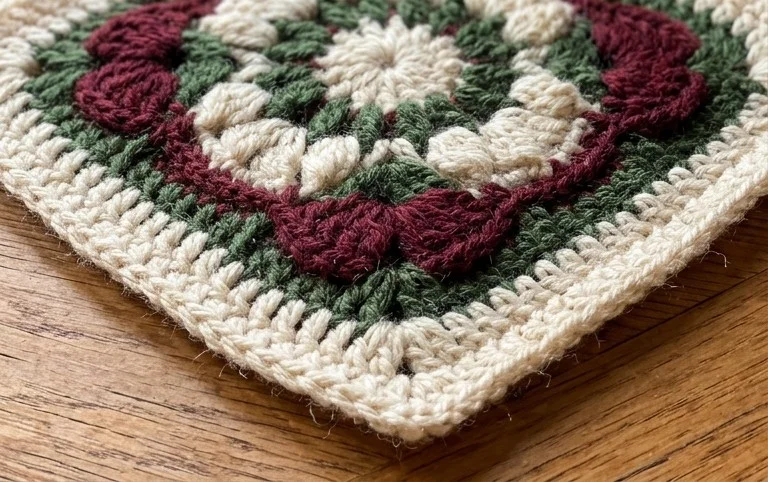
Displaying these finished pieces in a decorative bowl or hanging them by the sink adds a cozy atmosphere to your space. You can change the aesthetic by alternating colors every two rows or by working with a variegated cotton yarn for a speckled look. Please consider sharing a photo of your completed kitchen linens on social media so others can see your color choices. Browse the rest of the site for more simple project ideas to add to your handmade collection this year.