Free Pattern: 3D Stuffed Fabric Christmas Tree DIY
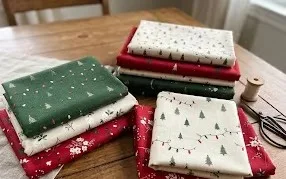
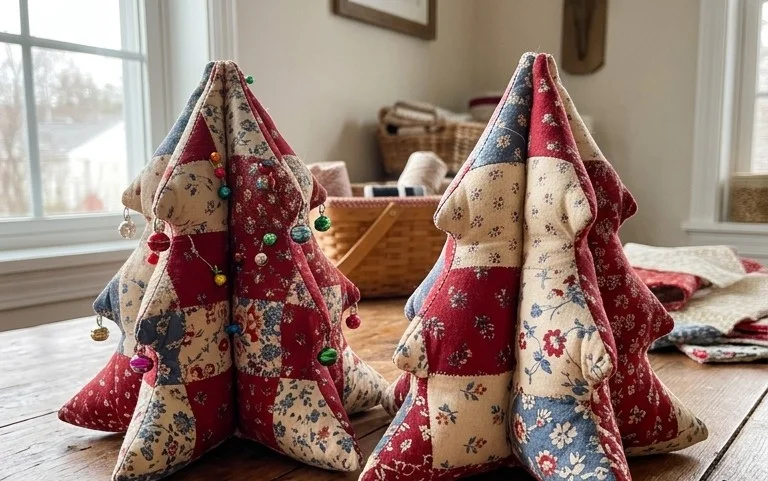
Soft cotton fabric, a little stuffing, and a few careful seams give this 3D Christmas tree its rounded, freestanding shape. It looks right at home on a mantel, shelf, or holiday table, and the soft fabric gives it a warm handmade feel. This project suits beginner sewists who are comfortable stitching a straight seam, as well as gift makers and home decor lovers looking for a personal seasonal touch. You’ll learn how to sew and turn the tree pieces, then fill them evenly so the finished shape holds without looking lumpy. Choosing two coordinating prints adds interest, while one fabric keeps the tree simple and calm. It’s a satisfying project because the form comes together quickly and can be adjusted to suit your space.
Why You’ll Love This Pattern
A firm square of cotton makes a useful dishcloth for wiping counters, washing dishes, or keeping beside the sink. This beginner-friendly pattern uses only single crochet, so you can focus on making even stitches and keeping straight edges. The simple fabric is also easy to wash and reuse.
One cloth takes about 1.5 to 2 hours, depending on your pace. A 100-yard ball of cotton is enough for the project, and leftover cotton yarn can work if you have enough for a consistent square. The finished cloth also makes a practical handmade gift that is easy to fold and package.
The rows were easy to follow, and I liked that the cloth came out thick enough to scrub a pan without feeling stiff.
— Mara, beginner crocheter
Pattern Overview & Skill Level
- Skill Level: Beginner. You need to know how to chain and make single crochet stitches.
- Approximate Time: 1.5 to 2 hours, plus a short time for weaving in the ends.
- Construction: A flat square worked in back-and-forth rows, with no seams or separate pieces.
- Finished Dimensions & Sizing: About 26 × 26 cm (10¼ × 10¼ in) after washing and laying flat, using the gauge below. Small differences in tension will change the final measurements.
Gauge is 12 single crochet stitches and 12 rows per 10 cm (4 in), measured after washing and drying the swatch flat. Gauge is not essential for using the cloth, but matching it helps you reach the listed size and use a similar amount of yarn.
Materials & Supplies Needed
- Yarn: About 100 yards (91 m) of worsted-weight cotton yarn, also labeled medium or weight #4. Choose one color, or use a cotton remnant with enough yardage to finish all 31 rows.
- Hook: 5.0 mm / H-8 crochet hook. If your stitches are much tighter or looser than the gauge, try a hook one size larger or smaller.
- Notions: Tapestry needle for sewing in the yarn ends, scissors, and a ruler or tape measure for checking gauge.
- Substitutions: Cotton-bamboo blends can make a softer cloth and may drape more. Use a similar worsted weight and check the gauge. Acrylic yarn is less absorbent than cotton, so it is not the best choice for dishwashing. A thicker yarn or larger hook will make a larger, looser cloth and may use more yarn.
Stitch Guide & Abbreviations (US Terms)
- ch: Chain.
- sc: Single crochet. Insert the hook into the stitch, yarn over and pull up a loop, yarn over again, then pull through both loops on the hook.
- st: Stitch.
- sts: Stitches.
- sl st: Slip stitch. Insert the hook into the indicated stitch, yarn over, and pull through both the stitch and the loop on the hook.
The turning chain does not count as a stitch in this pattern. Work the first single crochet into the first stitch of each row, not into the turning chain. This keeps the stitch count at 31 and helps the sides stay straight.
Step-by-Step Pattern Instructions
Dishcloth
- Row 1: Ch 32. Sc in the second ch from the hook and in each ch across. Turn. (31 sts)
- Row 2: Ch 1, then sc in each st across. Turn. (31 sts)
- Rows 3–10: Repeat Row 2 eight times. Each row has 31 sts.
- Rows 11–20: Continue as for Row 2. Each row has 31 sts.
- Rows 21–30: Continue as for Row 2. Each row has 31 sts.
- Row 31: Ch 1, sc in each st across. (31 sts)
Fasten off, leaving a tail of about 15 cm (6 in). Thread the tail onto a tapestry needle and weave it through the backs of several stitches. Change direction once, then trim the remaining tail close to the fabric without cutting any stitches. Weave in the starting tail in the same way.
Finishing
Check that the cloth has 31 rows and that both sides are close to square. Wash it according to the yarn label, then lay it flat and gently shape the corners. This is a plain-edged cloth; there is no border to join or seam to sew.
Care & Washing Instructions
- Wash cotton in cool or warm water, around 30–40°C (86–104°F), with similar colors; follow the yarn label if it gives different directions.
- Lay the cloth flat to dry, or use a low dryer setting if the yarn label permits it.
- While damp, smooth the edges and reshape the corners; blocking is optional for this everyday cotton square.
Pro Tips & Common Mistakes to Avoid
- Keep your tension relaxed and even. If the first chain is much tighter than the rows, the bottom edge may pull inward; make the starting chain with a slightly larger hook if needed.
- Count the stitches before turning each row. A missed stitch at the edge can make the cloth narrower, while working twice into an edge stitch can make it wider.
- Weave the ends through the backs of several stitches and change direction before trimming. A short tail pulled through only one stitch is more likely to come loose with repeated washing.
- To make a larger cloth, add chains and work the same number of single crochet stitches across, then add rows until it looks square. A wider or taller cloth uses more yarn; a smaller hook or fewer starting chains makes a smaller, denser cloth.
Frequently Asked Questions
Can I use a different yarn fiber?
Yes, but cotton is absorbent and holds up well to frequent washing. A cotton-bamboo blend is a workable substitute, though it can feel softer and drape more. Check the label for care instructions, and expect the size to change if the yarn weight or hook differs.
How can I make the dishcloth smaller or larger?
For a smaller cloth, start with fewer chains and work fewer rows. For a larger one, add chains and rows, keeping the number of stitches in each row the same as the starting chain stitches worked into. The extra fabric will need more yarn, and a wider cloth may take longer to dry.
Is this pattern suitable for a first crochet project?
Yes. It uses chain and single crochet in straight rows, with no shaping or joining. Take care to work into the first stitch after each turning chain, since that is a common place to lose a stitch.
Can I sell dishcloths made from this pattern?
You can sell finished items if the designer’s terms allow it. Check the pattern’s specific usage rules before listing your work, and describe the yarn and care needs accurately to buyers.
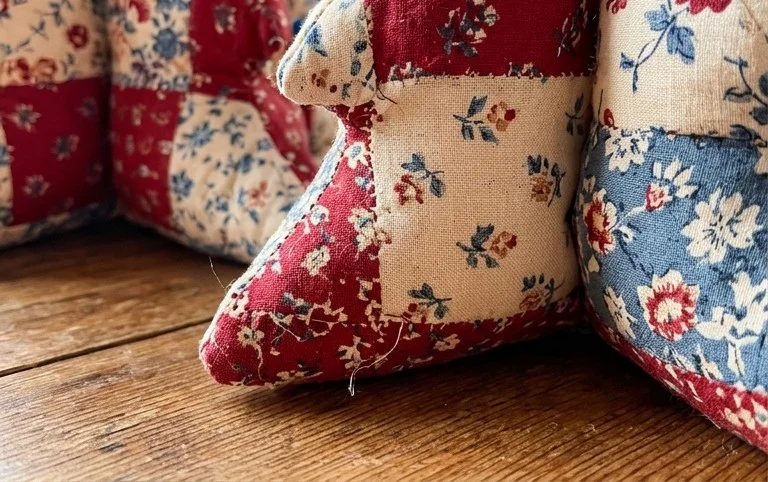
Your finished stuffed fabric tree has a soft shape and a handmade look that brings a little holiday character to a shelf or table. For a simple variation, use green fabric for one tree and a small-scale red or cream print for another, or make the pattern in a smaller size for a tiered display. Take a photo beside your other seasonal decorations and share it on Pinterest or social media so other makers can see how your fabric choices turned out. If you enjoyed sewing this project, explore more free patterns on the blog for handmade decor and thoughtful gifts to work on through the season.