Free Crochet Stocking Pattern: Overlay Mosaic Tree Design
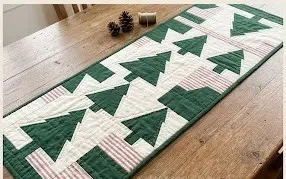
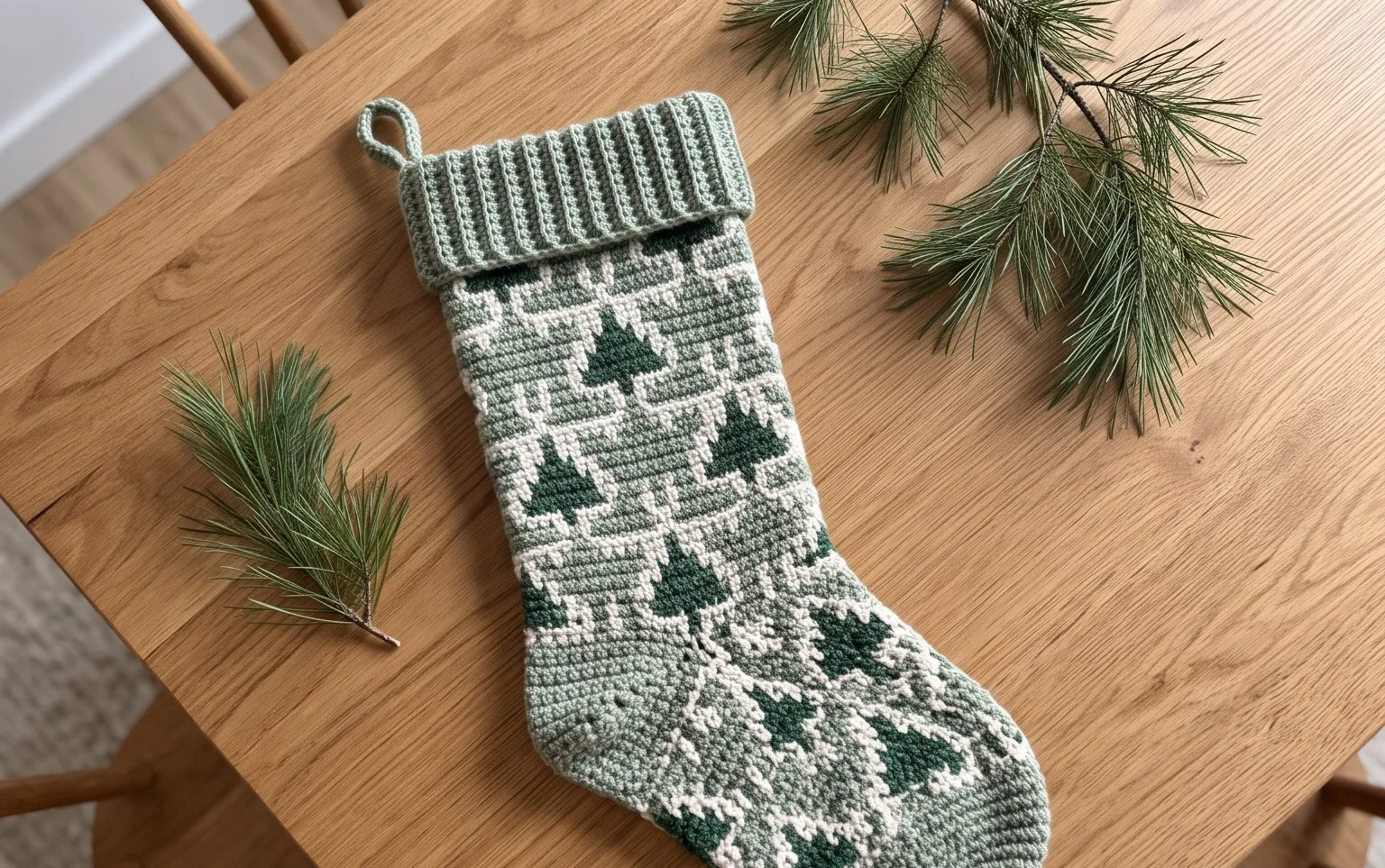
These hanging stockings hold small gifts and add warmth to a fireplace mantle or a holiday shelf. The surface shows a crisp tree motif that feels dense and sturdy, thanks to the double-layered effect created by the mosaic technique. You will work with two contrasting colors to build the geometry of the trees, alternating between solid rows and those with dropped stitches. Beginners find this project manageable because the pattern repeat remains consistent once you finish the first few rows. You will enjoy how the yarn tension stabilizes as the thick fabric grows beneath your hook, resulting in a durable holiday heirloom.
Why You’ll Love This Pattern
This classic crochet dishcloth is designed to be the ultimate functional scrap-yarn project. It works up in under an hour, making it an ideal choice for quick gift-giving or refreshing your kitchen essentials without a massive time investment. The texture provides a gentle scrub for glassware and dishes while remaining soft enough to rinse easily. Its square construction means you do not have to worry about complex shaping or intricate assembly. Beginners appreciate this project because it reinforces consistent tension and accurate stitch counting in a small, manageable format.
I managed to whip up three of these in a single afternoon while watching a movie. The texture is much better for scrubbing than the store-bought sponges I usually reach for.
— Sarah, home crafter
Pattern Overview & Skill Level
- Skill Level: Beginner
- Approximate Time: 45–60 minutes per cloth
- Construction: Worked in flat rows, turning at the end of each row to form a square
- Finished Dimensions & Sizing: Approximately 8 inches by 8 inches square
Materials & Supplies Needed
- Yarn: Worsted weight (#4), 100% cotton yarn, approximately 45–50 yards per cloth. Cotton is essential for absorbency and heat resistance.
- Hook Size: 5.0 mm (US H-8)
- Notions: Tapestry needle for weaving in ends, scissors, and a stitch marker to track the start of rows if needed.
- Safe yarn substitutions: You may use a cotton-acrylic blend for a softer feel, though it will be slightly less absorbent. Avoid 100% acrylic yarns as they do not absorb water well and may melt if used to handle hot pans.
Stitch Guide & Abbreviations (US Terms)
- ch: chain
- sc: single crochet
- st/sts: stitch/stitches
- sl st: slip stitch
- turn: turn your work to begin the next row
- yo: yarn over
Step-by-Step Pattern Instructions
This pattern is worked in a back-and-forth motion. Ensure your tension remains even throughout to keep the edges straight.
- Row 1: Ch 31. Work 1 sc in the second ch from hook and in each remaining ch across. (30 sts).
- Row 2: Ch 1 (does not count as a stitch), turn. Work 1 sc in each st across. (30 sts).
- Rows 3–30: Repeat Row 2 until the piece measures approximately 8 inches from the starting edge.
- Finishing: Fasten off, leaving a 6-inch tail. Use the tapestry needle to weave the yarn tail securely into the body of the cloth to prevent unraveling during washing.
Care & Washing Instructions
- Machine wash your dishcloths on a warm cycle (up to 104°F/40°C) with like colors.
- Tumble dry on low heat or lay flat on a clean towel to air dry completely.
- Reshape the cloth by pulling it gently into a perfect square while it is still damp to ensure it lies flat.
Pro Tips & Common Mistakes to Avoid
Consistent tension is the secret to a professional-looking dishcloth. If you find your edges are curling, your starting chain might be too tight; try using a hook one size larger for the foundation row only. Always use a stitch marker at the end of every row if you find yourself accidentally dropping stitches, as losing a stitch will turn your square into a trapezoid. When weaving in your ends, run the needle through the stitches in at least three different directions to ensure the yarn is locked firmly in place. Adjusting the size is simple: if you want a larger cloth, simply add more chains to your foundation row and work more rows to match the width.
Frequently Asked Questions
Can I use a different yarn weight for this pattern?
Yes, but it will change the finished size. Using a DK weight yarn will result in a smaller cloth, while a bulky weight yarn will create a thicker, larger scrubby. Be sure to adjust your hook size to match the yarn weight for the best results.
Is it okay to sell the items I make from this pattern?
Yes, you may sell finished dishcloths made from this pattern. I ask that you provide credit to the designer and use your own original photographs for your listings.
What should I do if my cloth comes out rectangular instead of square?
This usually happens because the number of rows does not match the number of stitches in the row. Check your stitch count at the end of each row; if you have 30 stitches, you must work exactly 30 rows to create a perfect square.
How do I keep the edges of my dishcloth straight?
Avoid pulling the yarn too tight at the very last stitch of each row. Turning your work consistently in the same direction or using the “ch 1 and turn” method effectively will also help keep your edges even and tidy.
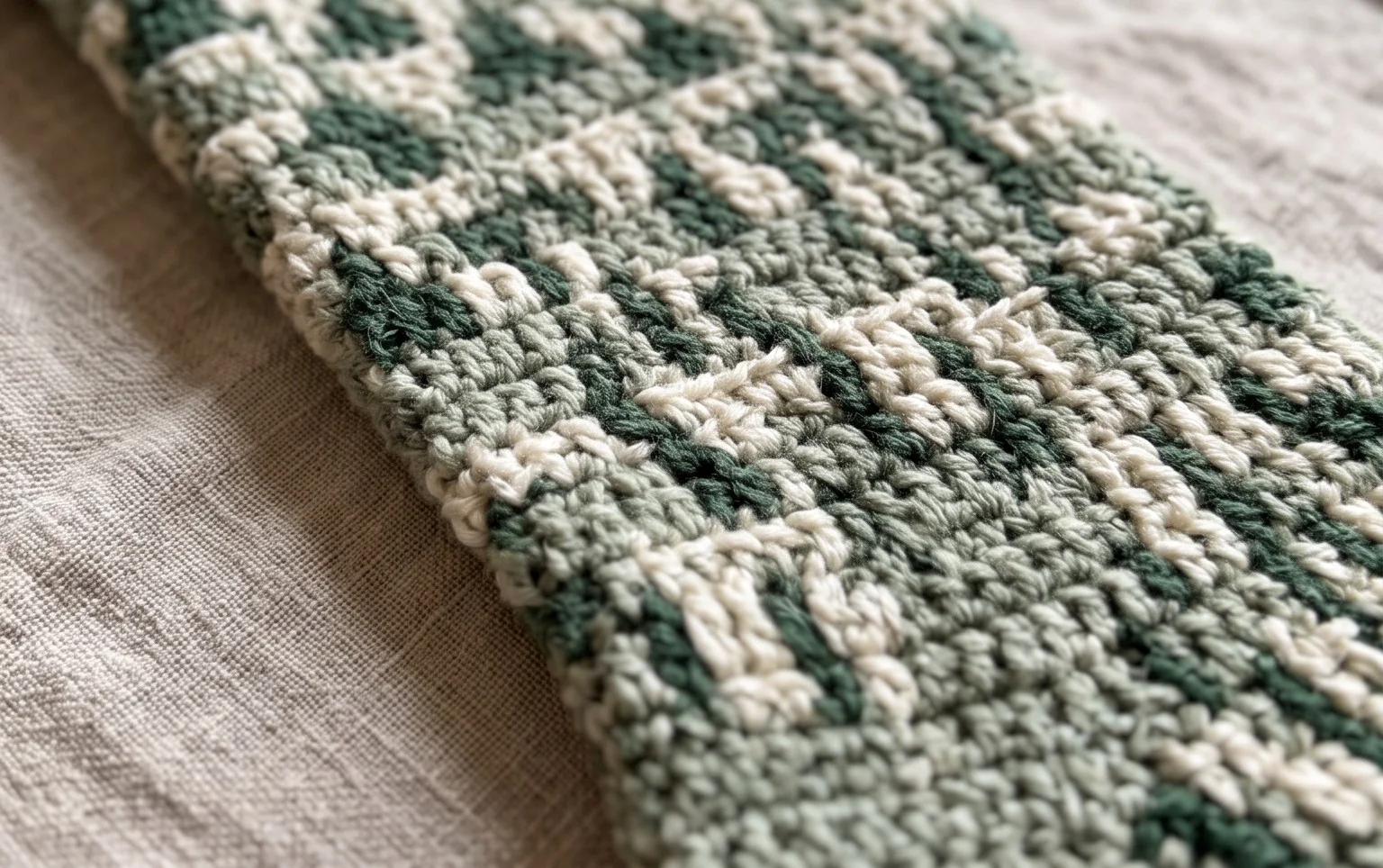
Your finished work stands out with sharp, clean lines that bring a cozy feel to your holiday decor. You can swap the traditional red and green yarn for soft neutrals like cream and grey to suit a modern home or size the stocking up by adding extra rows to the main body. Please post a picture of your creation on social media to show how your colors turned out. Feel free to browse the blog for more seasonal projects and free patterns to fill your crafting queue.