Easy Crochet Dog Sweater Pattern: Free Step-by-Step Guide
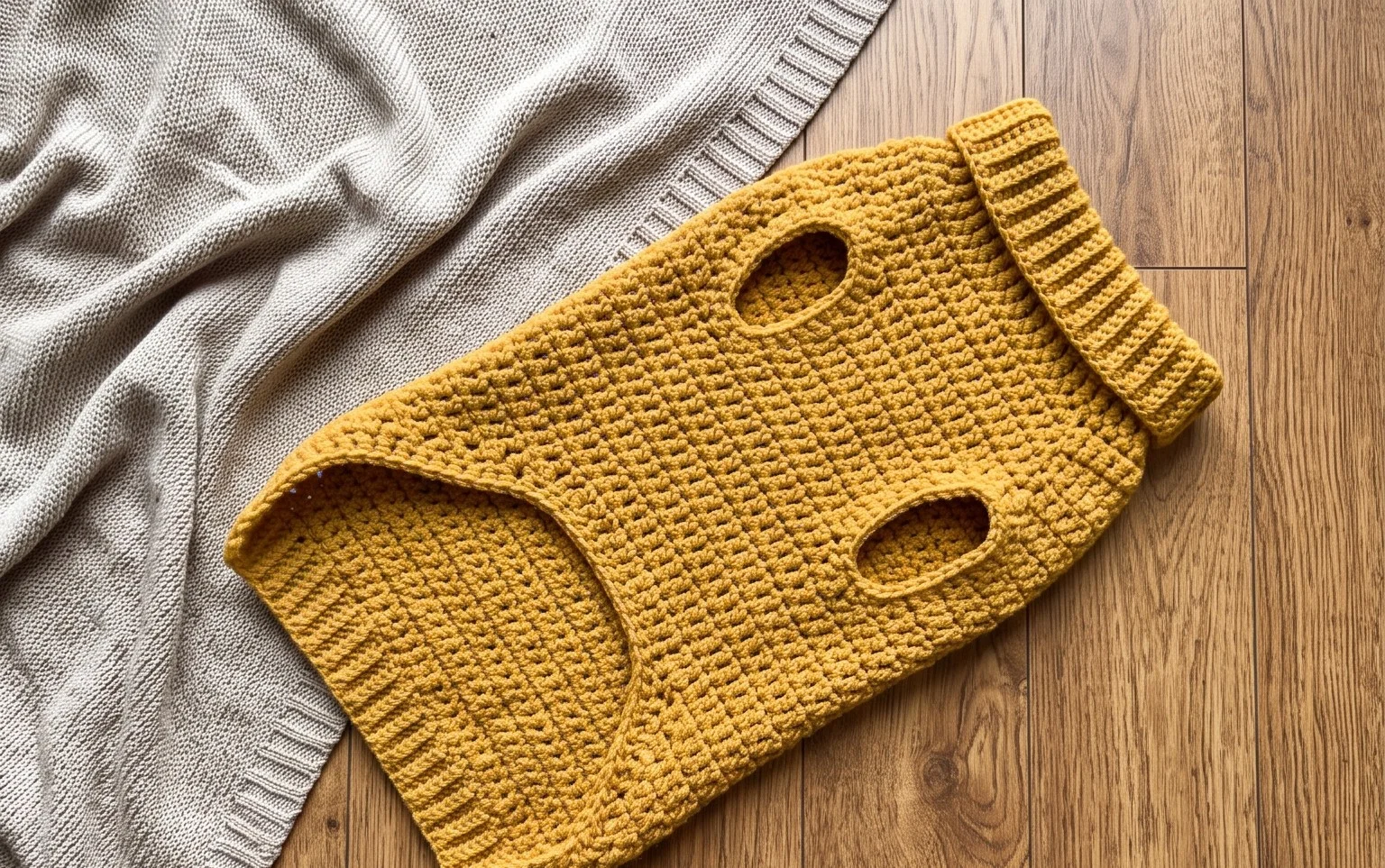
Large dogs often get overlooked when it comes to handmade knitwear, but this cozy sweater ensures your biggest companions stay warm on chilly morning walks. The finished fabric feels dense and thick, providing plenty of comfort without restricting your pet’s natural movement during playtime. Beginners will appreciate how the straightforward rectangular construction removes the need for complex shaping or difficult armhole math. By using basic double crochet stitches in a consistent back-and-forth motion, you create a durable garment that stands up to daily wear. This project turns simple yarn into a functional wardrobe staple that fits even the largest breeds comfortably.
Why You’ll Love This Pattern
The Classic Crochet Granny Square is the building block of textile arts, offering a rhythmic, meditative experience that turns small amounts of scrap yarn into functional art. This specific pattern uses a traditional three-double-crochet cluster technique that keeps the square flat and square-edged, preventing the common issue of curling. Because each round is identical in its logic, it provides a consistent pace that is ideal for practicing tension control. You can complete a single square in about 15 minutes, making this a highly portable project for commutes or short breaks.
I struggled with keeping my corners square until I tried this specific tension method, and now my blankets look professional and perfectly blocked every time.
— Sarah, intermediate crocheter
Pattern Overview & Skill Level
- Skill Level: Beginner
- Approximate Time: 15 minutes per square
- Construction: Worked in joined rounds, turning after each round to maintain a square shape
- Finished Dimensions: 4 inches by 4 inches when using medium weight yarn and a 5.0 mm hook
Materials & Supplies Needed
- Yarn: Worsted weight (#4), 100% cotton or acrylic blend, approximately 15-20 yards per square.
- Hook Size: 5.0 mm (H-8).
- Notions: Tapestry needle for weaving in ends, sharp scissors.
- Yarn Substitutions: Wool or alpaca blends work well for warmth but increase the weight of a finished blanket. Avoid novelty yarns like eyelash or bouclé, as they obscure stitch definition and make joining squares difficult.
Stitch Guide & Abbreviations (US Terms)
- ch = chain
- sl st = slip stitch
- dc = double crochet
- dc cluster = 3 double crochet stitches worked into the same space
- st/sts = stitch/stitches
- sp = space
- Magic Ring: A technique for starting rounds by crocheting into an adjustable loop.
Step-by-Step Pattern Instructions
Square Base
- Rnd 1: Start with a magic ring. Ch 3 (counts as first dc), work 2 dc into the ring, ch 2. *Work 3 dc into the ring, ch 2. Repeat from * 2 more times. Join with a sl st to the top of the beginning ch 3. (12 sts, 4 ch-2 sps).
- Rnd 2: Turn your work. Sl st into the first ch-2 corner sp. Ch 3, 2 dc in same sp, ch 2, 3 dc in same sp. *Ch 1, skip 3 sts, (3 dc, ch 2, 3 dc) in next ch-2 corner sp. Repeat from * 2 more times, ch 1, join with a sl st to top of beginning ch 3. (24 sts, 4 ch-2 sps, 4 ch-1 sps).
- Rnd 3: Turn your work. Sl st into first corner sp. Ch 3, 2 dc in same sp, ch 2, 3 dc in same sp. *Ch 1, 3 dc in next ch-1 sp, ch 1, (3 dc, ch 2, 3 dc) in corner sp. Repeat from * 2 more times, ch 1, 3 dc in last ch-1 sp, ch 1, join with a sl st to top of beginning ch 3. (36 sts, 4 ch-2 sps, 8 ch-1 sps).
Finishing
Fasten off the yarn, leaving a 6-inch tail. Pull the tail through the final loop to secure. Use a tapestry needle to weave the end through the back loops of the nearest stitches for at least 2 inches to ensure the knot does not unravel during washing.
Care & Washing Instructions
- Machine wash on a delicate cycle using cool water and mild detergent.
- Lay the square flat on a clean towel and reshape it while damp to ensure the corners remain at 90-degree angles.
- Avoid wringing or twisting the fabric, as this can stretch the stitches and distort the square shape.
Pro Tips & Common Mistakes to Avoid
Maintaining consistent tension is the most common hurdle for new crocheters. If your square begins to ripple, your tension is likely too loose; try going down a hook size. If the square pulls in or looks like a bowl, your tension is too tight, or you are missing stitches on the sides. Always place a stitch marker in the first stitch of every round to easily identify where to join. When weaving in ends, run the yarn through the stitches in two different directions to lock the tail in place. You can easily adjust the size of the square by adding more rounds using the same logic, but note that larger squares require significantly more yarn and may require a larger hook to maintain drape.
Frequently Asked Questions
Can I use a different yarn weight for this pattern?
Yes, you can use any yarn weight. Just remember to choose a hook size that is appropriate for your yarn. Using a thinner yarn with a smaller hook will create a smaller square, while thicker yarn will create a larger, chunkier square.
Why is my square not perfectly flat?
A slightly wavy appearance is normal before blocking. Once the square is finished, soak it in cool water, gently squeeze out the excess, and pin it to a foam mat or towel in a perfect square shape until dry. This sets the fibers.
Am I allowed to sell blankets made from this pattern?
Yes, you are welcome to sell finished items made from this pattern. I ask that you credit the designer by linking back to this tutorial on your product tags or online listings.
Is this pattern suitable for making a large throw blanket?
Absolutely. You can make many individual squares and sew them together using a whip stitch or join-as-you-go method, or you can continue working the rounds until the square reaches your desired blanket size.
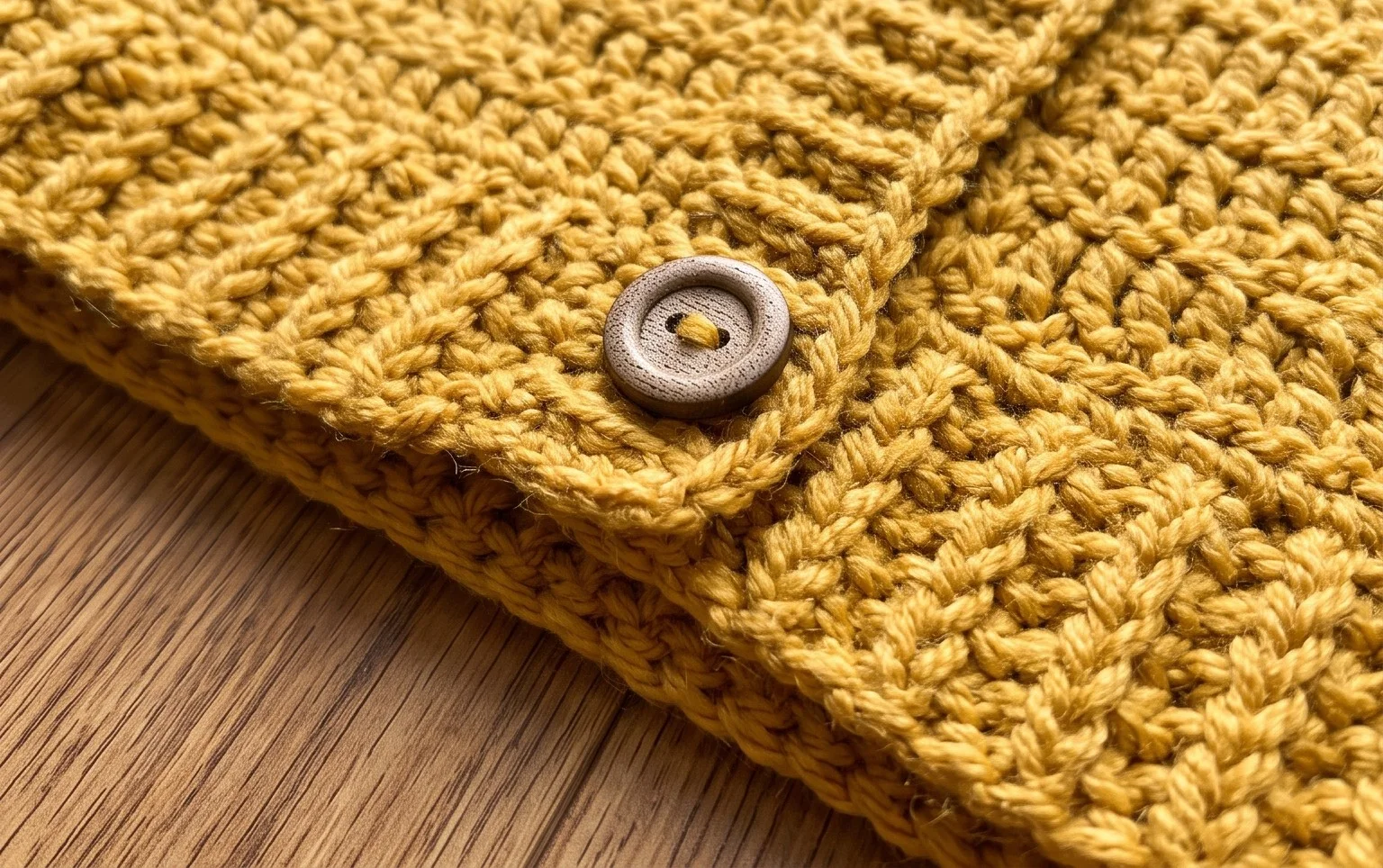
Seeing your dog comfortably wearing a custom-made sweater is a rewarding experience that makes the hours of stitching well worth the effort. You can easily adapt the design by using two strands of yarn held together for extra warmth or adding a contrasting border color to make the piece pop. Please tag your finished photos on social media so others can see your color choices. I enjoy seeing how these stitches work up for different breeds, so browse my other free patterns for more ways to keep your pets warm throughout the winter season.