Easy Cotton Dishcloth: Free Beginner Crochet Pattern
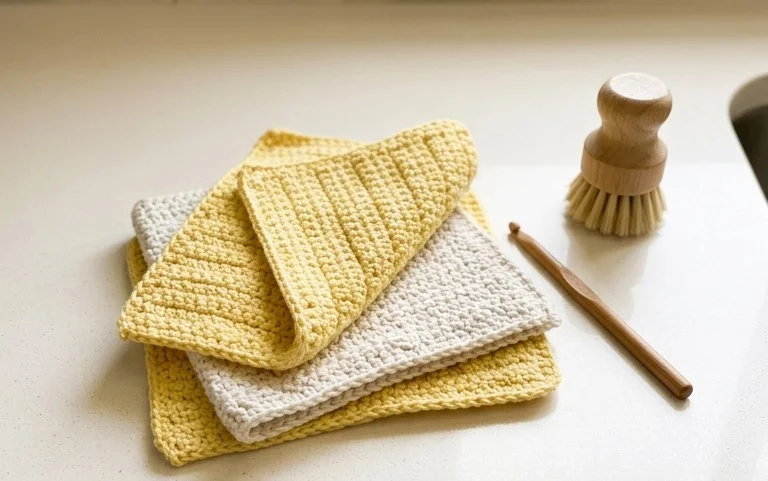
A fresh, nubby cotton dishcloth feels significantly better in your hands than the thin sponges you find at the grocery store. This simple project is a wonderful way to practice consistent tension while building a functional item for your kitchen sink. Beginners often find that the repetitive motion of this specific stitch helps them gain confidence with every row they finish. You will learn a basic textured stitch that creates a sturdy surface for scrubbing stubborn pans without scratching their finish. It is a satisfying, quick make that proves simple household items often work the best for daily chores.
Why You’ll Love This Pattern
This classic crochet dishcloth is designed with a durable, textured stitch pattern that scrubs effectively while remaining gentle on non-stick cookware. Its compact size ensures it works up in under an hour, making it an ideal choice for using up small amounts of leftover cotton yarn. The repetitive stitch pattern provides a meditative rhythm for your hands, yet it results in a professional-looking finish that makes a thoughtful, handmade gift for housewarmings or holiday baskets. Because it uses 100% cotton, the fabric absorbs water rapidly and dries out quickly between uses.
I finished this dishcloth in one evening while watching a show. The texture is perfect for scrubbing dishes and the pattern was very easy to memorize after the first few rows.
— Sarah, home cook
Pattern Overview & Skill Level
- Skill Level: Beginner
- Approximate Time: 45–60 minutes
- Construction: Worked in flat rows back and forth, starting with a foundation chain
- Finished Dimensions: 8 inches by 8 inches
Materials & Supplies Needed
- Yarn: Worsted weight (#4) 100% cotton yarn, approximately 60 yards.
- Hook Size: 5.0 mm (H-8).
- Notions: Yarn needle for weaving in ends and scissors.
- Safe yarn substitutions: You may use a cotton-linen blend for increased durability, though this may result in a slightly stiffer fabric. Avoid acrylic yarns as they do not absorb water well and may melt if they touch hot pans.
Stitch Guide & Abbreviations (US Terms)
- ch: chain
- st(s): stitch(es)
- sc: single crochet
- dc: double crochet
- sk: skip
- yo: yarn over
- Special Stitch (Moss Stitch): A combination of single crochet and chain stitches worked into the chain spaces of the previous row.
Step-by-Step Pattern Instructions
The pattern is worked as a square. You will maintain the same stitch count throughout every row.
- Foundation: Ch 30.
- Row 1: Sc in 4th ch from hook, *ch 1, sk 1 ch, sc in next ch; repeat from * to end. Turn. (15 sc, 14 ch-1 spaces)
- Row 2: Ch 2, sc in first ch-1 space, *ch 1, sk 1 sc, sc in next ch-1 space; repeat from * across ending with a sc in the turning ch space. Turn. (15 sc, 14 ch-1 spaces)
- Rows 3–30: Repeat Row 2 until the piece measures 8 inches long.
- Finishing: Fasten off, leaving a 6-inch tail. Weave the yarn ends securely through the stitches to prevent fraying during wash cycles.
Care & Washing Instructions
- Machine wash in warm water on a gentle cycle to maintain the integrity of the cotton fibers.
- Lay the dishcloth flat on a clean towel to air dry, ensuring you stretch it slightly back into a square shape while damp.
- Avoid using bleach or fabric softeners, as these can reduce the absorbency of the cotton over time.
Pro Tips & Common Mistakes to Avoid
Achieving consistent tension is the most important part of this project, as uneven stitches will cause the edges of your square to ripple or curl. Place a stitch marker at the beginning of each row to help track your progress, especially when working the final stitch into the turning chain. To hide your ends invisibly, thread your needle and weave the yarn back and forth through the base of the single crochet stitches rather than pulling it tight through the center of the fabric. If you decide to adjust the size, add or subtract chains in multiples of two; remember that a larger dishcloth will require more than one ball of standard 50g cotton yarn.
Frequently Asked Questions
Can I use a different weight of yarn for this pattern?
Yes, you can use a DK weight or a bulky weight cotton, but you will need to adjust your starting chain length to reach your desired width. A lighter yarn will result in a smaller, thinner cloth, while a bulkier yarn will produce a thicker, heavier scrubber.
What is the best way to keep my edges straight?
The secret to straight edges in this pattern is consistency with your turning chain. Always ensure you are working your final single crochet into the turning space and not missing the edge stitch, which is a common error that leads to a triangular or trapezoidal shape.
Is this project suitable for a total beginner?
This is an excellent first project because it uses only two basic stitches and requires no complex shaping or assembly. If you can master the single crochet and chain stitch, you will be able to complete this dishcloth with ease.
Can I sell the dishcloths I make from this pattern?
You are welcome to sell finished items made from this pattern at local markets or online. Please credit the design to this tutorial and use your own photographs of your finished work for any listings.
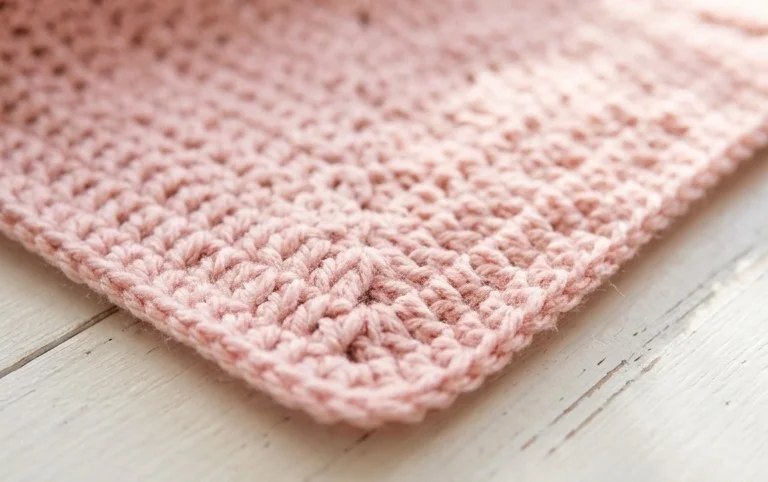
Your finished dishcloth will last for months of daily washing and drying cycles in your kitchen. If you want to change the aesthetic, try working the pattern with a variegated yarn to add a subtle color shift that hides minor kitchen stains over time. I enjoy seeing how different crafters personalize these simple projects, so please share your version on your favorite social media site. You can find more free patterns to build your collection by browsing the other beginner-friendly designs available on my blog home page today.