Easy Neutral Shades Beanies: Free Crochet Pattern Guide
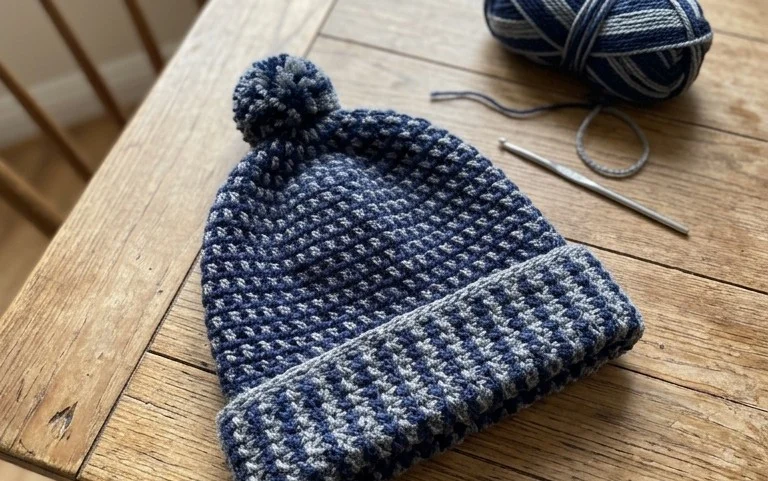
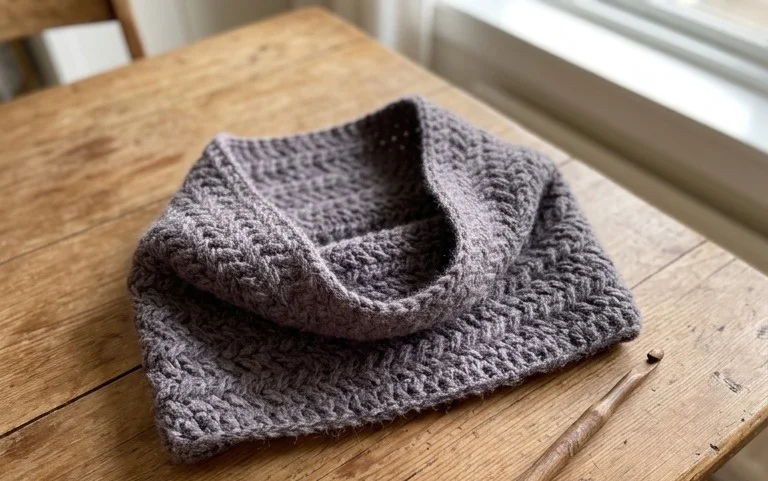
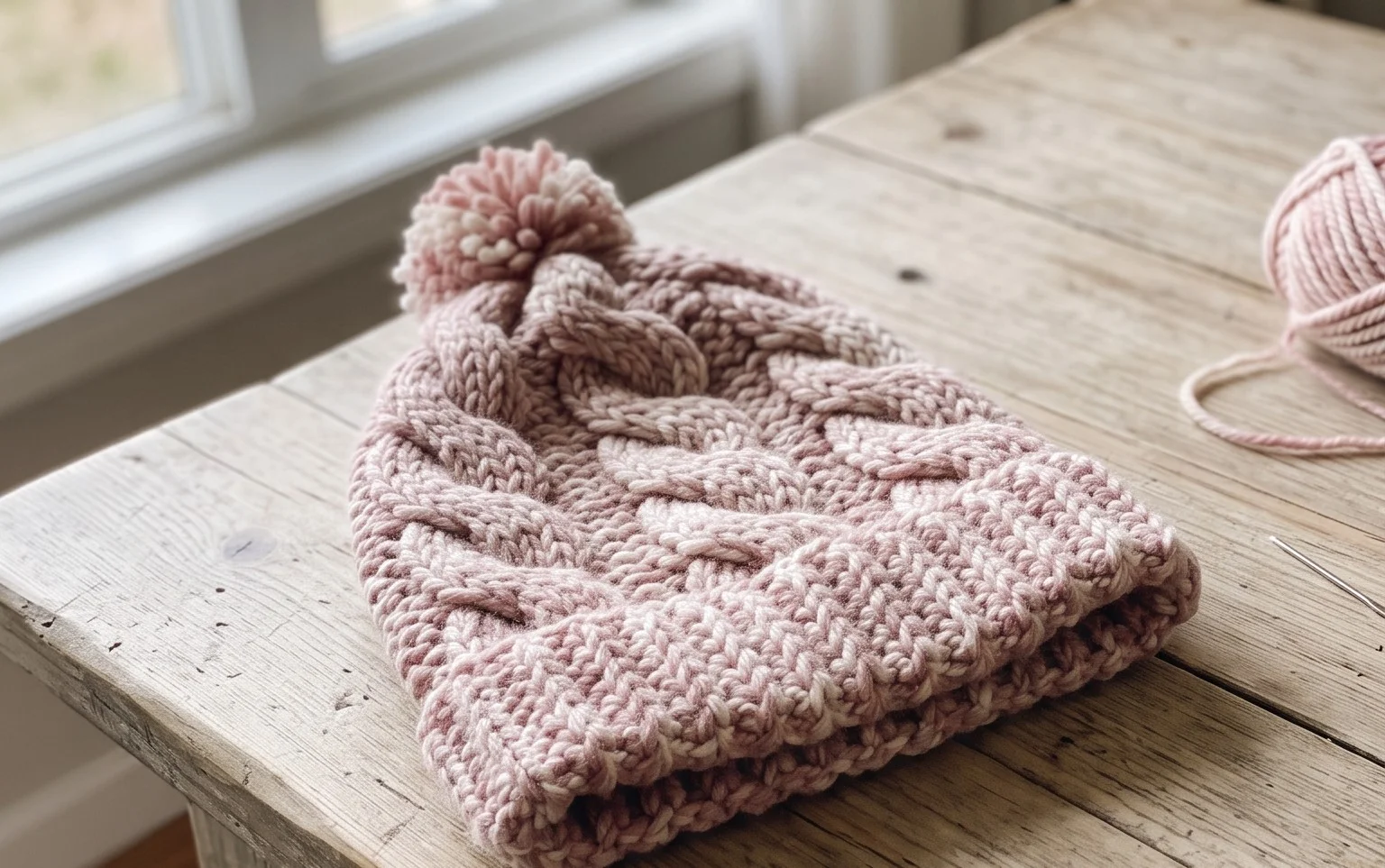
Soft gray and cream wool creates a dense, warm fabric that feels weightless against your forehead during cold winter commutes. These headpieces offer a clean, minimalist aesthetic that pairs naturally with any coat in your closet. They are satisfying projects for makers who enjoy focusing on the rhythm of half double crochet stitches, which provide enough height to finish a hat in one weekend. You will learn how to maintain consistent tension while shaping the crown for a professional fit. Whether you are building a winter wardrobe or crafting thoughtful gifts, these designs bring warmth and function home.
Why You’ll Love This Pattern
This classic crochet dishcloth is designed with a durable, textured stitch pattern that scrubs effectively while remaining gentle on non-stick cookware. The project relies on the moss stitch, an elegant combination of single crochet and chains that creates a dense fabric without feeling heavy or stiff. Because it uses simple, repeatable movements, this pattern is an ideal choice for practicing consistent tension and maintaining even edges. You can complete a full cloth in one or two sessions, making it a functional addition to your kitchen or a thoughtful handmade gift for friends and neighbors.
I finally mastered my tension while making these cloths, and they are so much sturdier than the ones I buy at the store. The texture really holds onto soap well.
— Sarah, home crafter
Pattern Overview & Skill Level
- Skill Level: Beginner
- Approximate Time: 1 to 2 hours
- Construction: Flat panel worked in rows
- Finished Dimensions: 8 inches by 8 inches
Materials & Supplies Needed
- Yarn: Worsted weight (#4) 100% cotton yarn, approximately 60 yards. Cotton is necessary for its absorbency and heat resistance.
- Hook Size: 5.0 mm (US H-8) crochet hook.
- Notions: Tapestry needle for weaving in ends and scissors.
- Yarn Substitutions: You can use a cotton-linen blend for increased durability, though this will result in a slightly firmer texture. Avoid acrylic yarns, as they are not absorbent and will melt if they touch a hot pan.
Stitch Guide & Abbreviations (US Terms)
- ch = chain
- sc = single crochet
- st = stitch
- sl st = slip stitch
- Moss Stitch: A pattern created by alternating single crochet stitches and chain spaces.
Step-by-Step Pattern Instructions
Main Body
- Foundation: Ch 32.
- Row 1: Sc in the 4th ch from the hook. *Ch 1, skip 1 ch, sc in the next ch. Repeat from * across to the end. Turn. (16 sc, 15 ch-1 spaces).
- Row 2: Ch 2 (counts as ch-1), skip the first sc, sc in the first ch-1 space. *Ch 1, skip the next sc, sc in the next ch-1 space. Repeat from * across, ending with a sc in the turning chain space. Turn. (16 sc, 15 ch-1 spaces).
- Rows 3–30: Repeat Row 2 until the piece measures 8 inches square.
Finishing
Once you reach the desired length, fasten off by cutting the yarn and pulling the tail through the final loop. Use a tapestry needle to weave the tail back and forth through the back of the stitches to secure it firmly. Trim any excess yarn close to the fabric, being careful not to cut the knot.
Care & Washing Instructions
- Machine wash on a warm, gentle cycle with like colors to prevent dye transfer.
- Tumble dry on low heat or lay flat on a clean towel to retain the square shape.
- If the cloth loses its shape after heavy use, dampen it with water and lay it flat, pulling the edges gently into a perfect square until it dries.
Pro Tips & Common Mistakes to Avoid
- Tension control is vital for the moss stitch; if your chains are too tight, the fabric will pull inward and lose its square shape. Keep your chain spaces slightly loose to ensure the cloth lays flat.
- Use a stitch marker at the beginning of each row to help you identify the final chain-space, which is a common spot where beginners accidentally drop stitches.
- To weave ends invisibly, feed the tapestry needle through the center of the single crochet stitches rather than pulling it tight across the surface.
- To adjust the size, simply increase or decrease your starting chain by an even number; remember that changing the size will increase or decrease the total yardage needed.
Frequently Asked Questions
Can I use a larger hook for this project?
Using a larger hook will make the cloth drape more, but it will also create larger gaps in the stitch pattern, making it less effective for scrubbing. Stick to the 5.0 mm hook for a dense, durable finish.
How do I know if I have enough yarn?
A standard 2.5-ounce skein of worsted cotton typically contains about 100 to 120 yards. You will have plenty of yarn to make one cloth and enough remaining to start a second one.
Are these dishcloths safe to sell?
Yes, you are free to sell any items you create from this pattern. As a courtesy, credit the design to this tutorial when listing your products online.
Why does my cloth have wavy edges?
Wavy edges usually occur because of inconsistent tension in the turning chain. Ensure that your turning chains are consistent in size throughout the entire project to maintain straight, even edges.
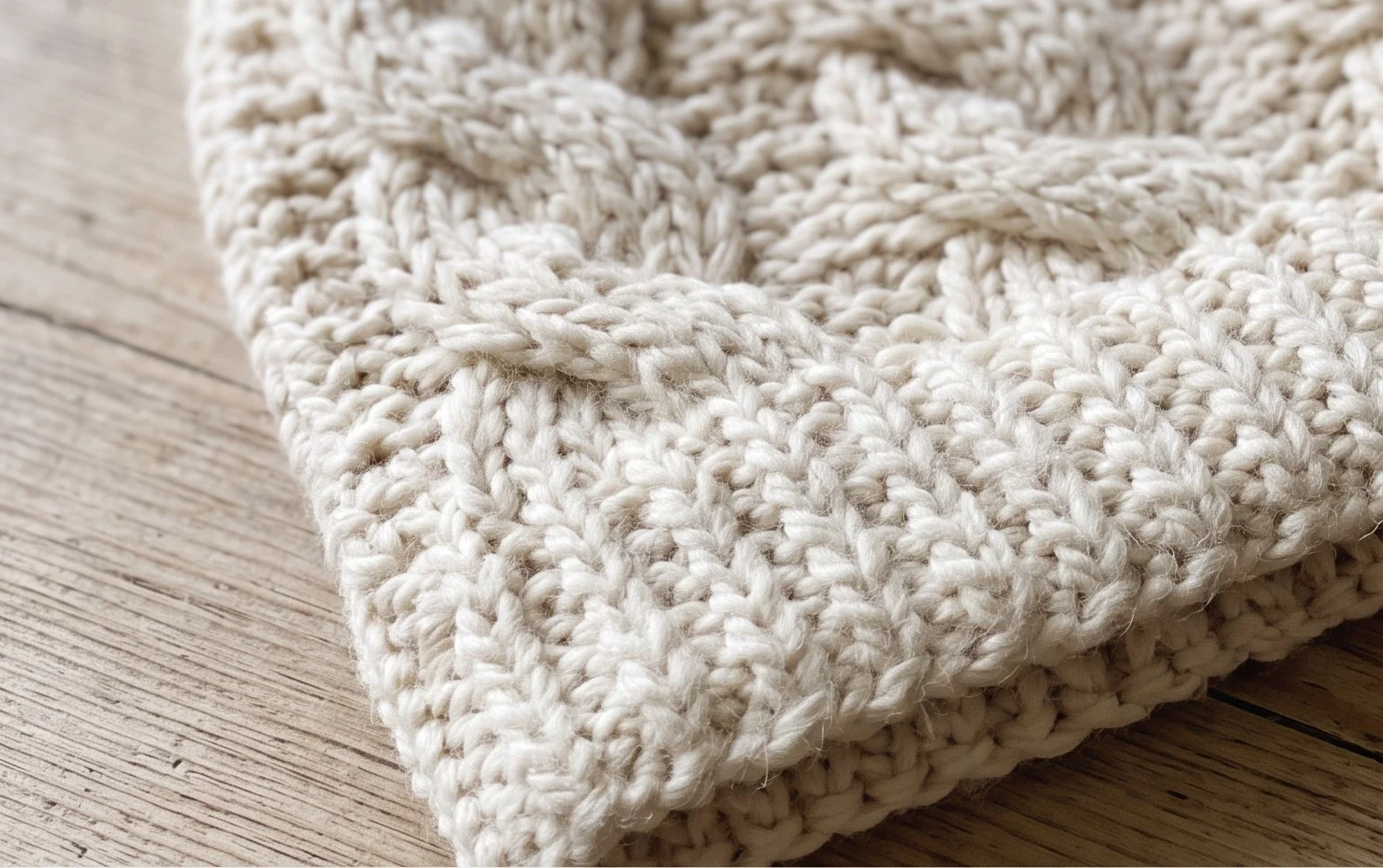
Your finished hat serves as a reliable staple for chilly mornings and keeps your ears warm without feeling bulky. You can swap the yarn for a heathered alpaca blend to add extra softness or add a faux fur pompom on top for a playful finish. Please share a photo of your work on your favorite social media platform so others can see your color choices. I encourage you to browse the rest of the blog for more accessible designs and seasonal inspiration to fill your project queue.