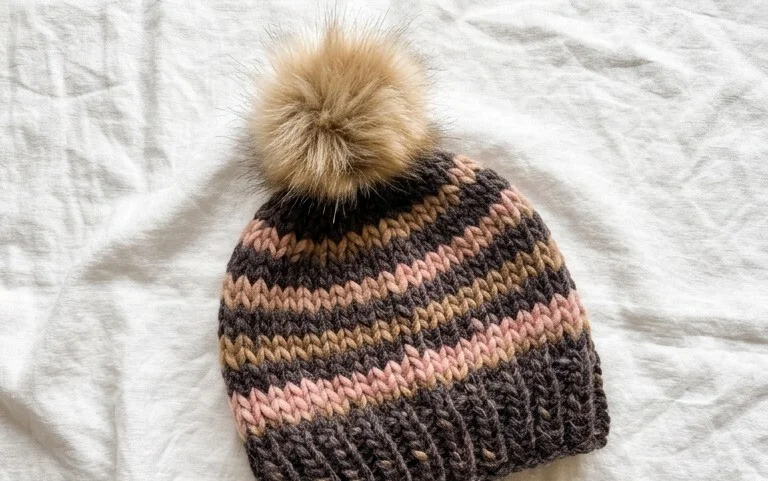
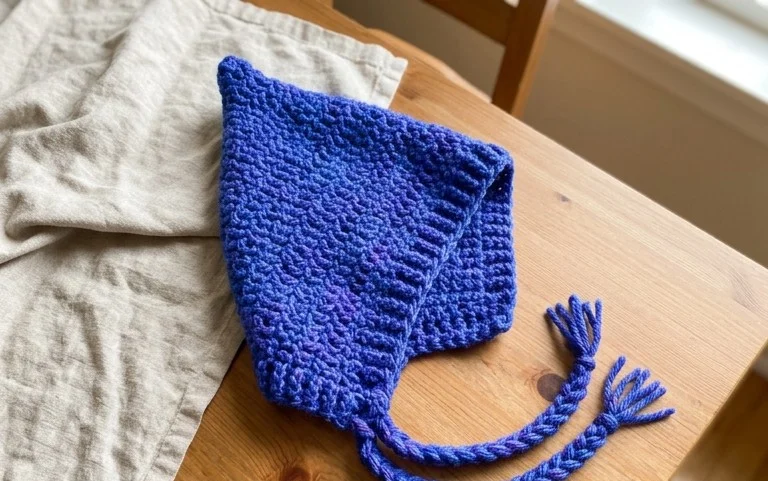
The Herringstone Cowl: Free Beginner Crochet Pattern
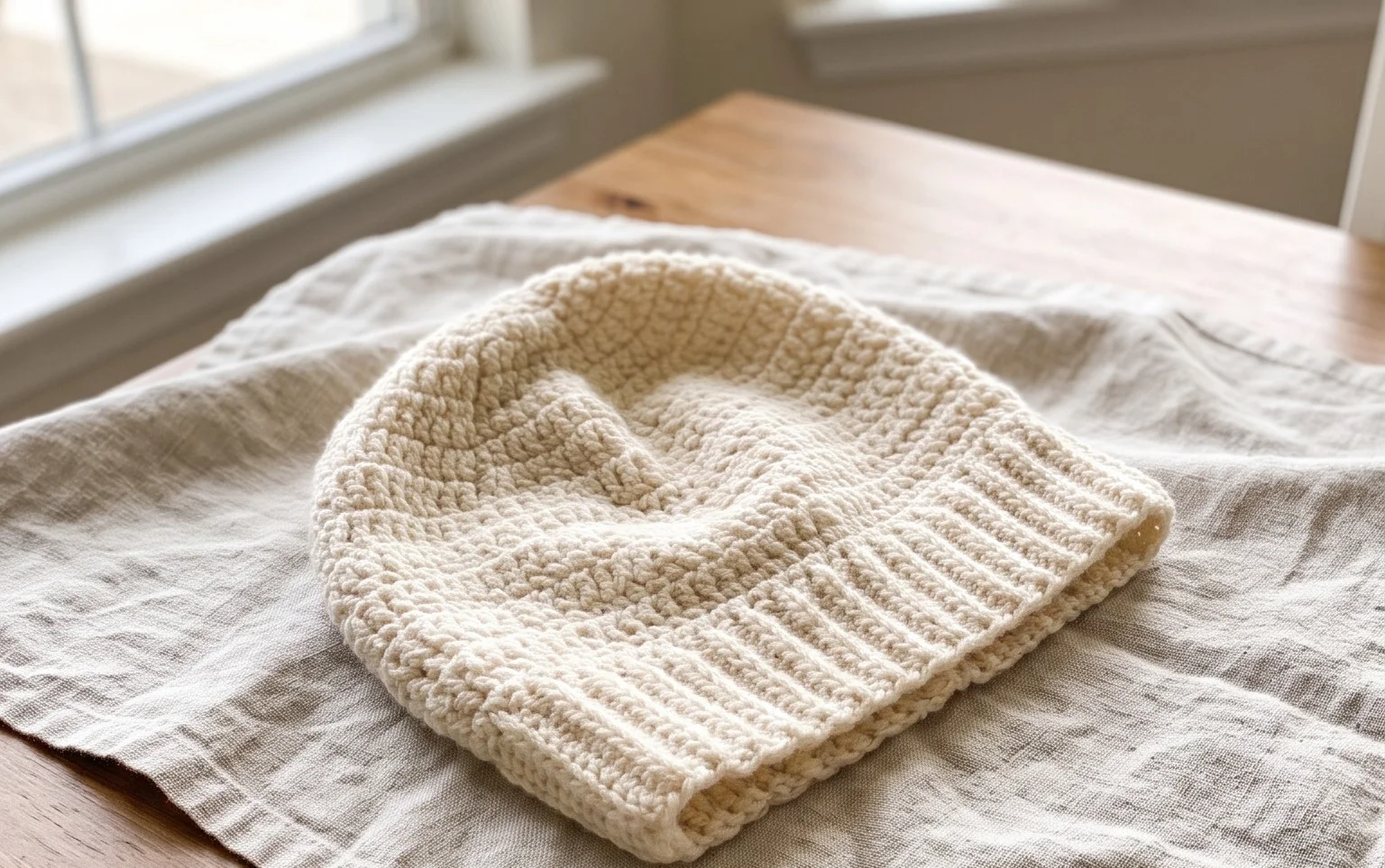
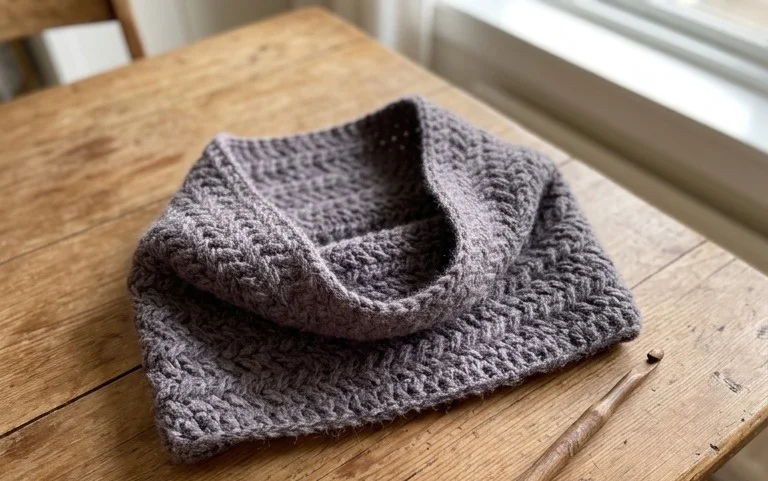
Soft wool against your neck provides instant warmth on a crisp autumn morning, and this cozy accessory delivers exactly that comfort through a simple, repeating stitch pattern. You will appreciate the denseness of the fabric which holds heat well, yet remains flexible enough to loop twice around your neck. Beginners find this project approachable because it relies on basic crochet techniques that build confidence quickly without requiring complex shaping or tricky color changes. By following these clear instructions, you gain the skills to craft a durable, stylish addition to your wardrobe that works up in just a few chilly afternoons.
Why You’ll Love This Pattern
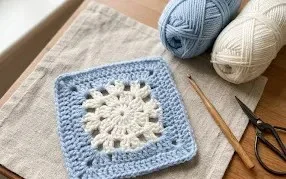
This classic crochet dishcloth works up quickly using basic stitches, making it a perfect project for polishing your tension or working through leftover yarn scraps. The textured stitch pattern provides enough scrubbiness to handle kitchen tasks without being overly stiff or difficult to wash. Because it uses a simple repeating sequence, you can easily memorize the pattern while listening to music or watching television. It makes a thoughtful, handmade housewarming gift that is both decorative and highly functional.
I managed to finish three of these in a single weekend. The texture is perfect for scrubbing dishes and the cotton yarn holds up well in the wash.
— Sarah, home crafter
Pattern Overview & Skill Level
- Skill Level: Beginner
- Approximate Time: 1 hour per cloth
- Construction: Worked in flat rows using a simple stitch repeat
- Finished Dimensions: 8 inches by 8 inches
Materials & Supplies Needed
- Yarn: Worsted #4 weight, 100% cotton, approximately 60 yards per cloth
- Hook Size: 5.0 mm / H-8
- Notions: Tapestry needle for weaving ends, scissors
- Yarn substitutions: Any 100% cotton yarn of a similar weight is ideal. Avoid acrylic, as it does not absorb water and will not clean dishes effectively. A cotton-linen blend is also acceptable, though it may result in a slightly firmer texture.
Stitch Guide & Abbreviations (US Terms)
- ch: Chain
- st(s): Stitch(es)
- sc: Single crochet
- dc: Double crochet
- sk: Skip
- YO: Yarn over
- Turning ch: The chain at the end of a row that brings your hook to the height of the next row
Step-by-Step Pattern Instructions
Main Body
- Row 1: Ch 30. Sc in the second ch from the hook and in each ch across. (29 sts)
- Row 2: Ch 1, turn. Sc in the first st, dc in the next st. Repeat the (sc, dc) pattern until one st remains. Sc in the last st. (29 sts)
- Row 3: Ch 1, turn. Sc in the first st, dc in the next st. Repeat the (sc, dc) pattern until one st remains. Sc in the last st. (29 sts)
- Rows 4–30: Repeat Row 3 until the piece measures 8 inches square.
Finishing
Fasten off your yarn, leaving a 6-inch tail for weaving. Thread the tail onto a tapestry needle and weave it securely through the stitches on the back side of the cloth. Trim any excess yarn close to the fabric to ensure a neat, professional edge.
Care & Washing Instructions
- Machine wash in warm water on a gentle cycle to remove oils and food debris.
- Lay the dishcloth flat on a clean towel to air dry, reshaping it with your hands if necessary.
- Do not use liquid fabric softener, as it coats the cotton fibers and reduces the absorbency of the cloth.
Pro Tips & Common Mistakes to Avoid
Consistency in tension is the most common challenge for beginners. If your edges look wavy, try to pull your yarn slightly tighter on the first and last stitch of every row. Use a stitch marker on the first stitch of each row to help you identify where to place your hook, as it prevents accidentally dropping stitches. Weave your ends in multiple directions to ensure they remain secure through repeated washings. If you wish to change the size, simply increase or decrease your starting chain by an odd number, noting that this will change the total amount of yarn required.
Frequently Asked Questions
Can I use a larger hook for this pattern?
Using a larger hook will result in a looser, more open fabric. While this makes the project work up faster, it will make the cloth less effective for scrubbing. Stick to the 5.0 mm hook for the best results.
Is this pattern suitable for complete beginners?
Yes, this is an excellent choice for a first project. It requires mastery of only two basic stitches and involves no complex shaping or color changing.
May I sell the dishcloths I make from this pattern?
You are welcome to sell items made from this pattern. Please credit the designer when listing your items online.
Why is my cloth not perfectly square?
Dishcloths often grow in width as you work. If yours looks rectangular, check your tension on the very first row. Ensure you are counting your stitches at the end of every row to maintain the correct width.
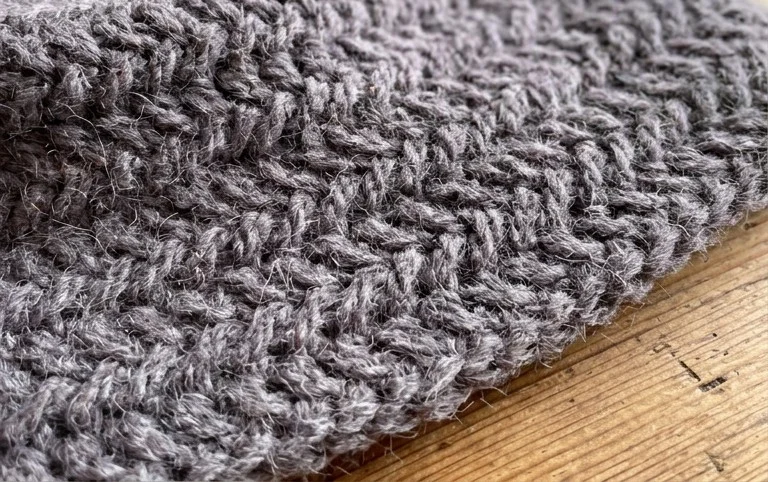
Wrapping your finished cowl on a cold day is the best reward for the hours you spent with your yarn and hook. Try using a variegated wool blend if you want to add visual interest without changing colors mid-row, or simply stick to a solid neutral for a timeless look. Sharing a photo of your work on social media helps other makers see how your chosen color reflects your style. Explore more of our free patterns on the blog to find your next project.