10 Easy Crochet Tree Skirt Patterns: Free DIY Projects
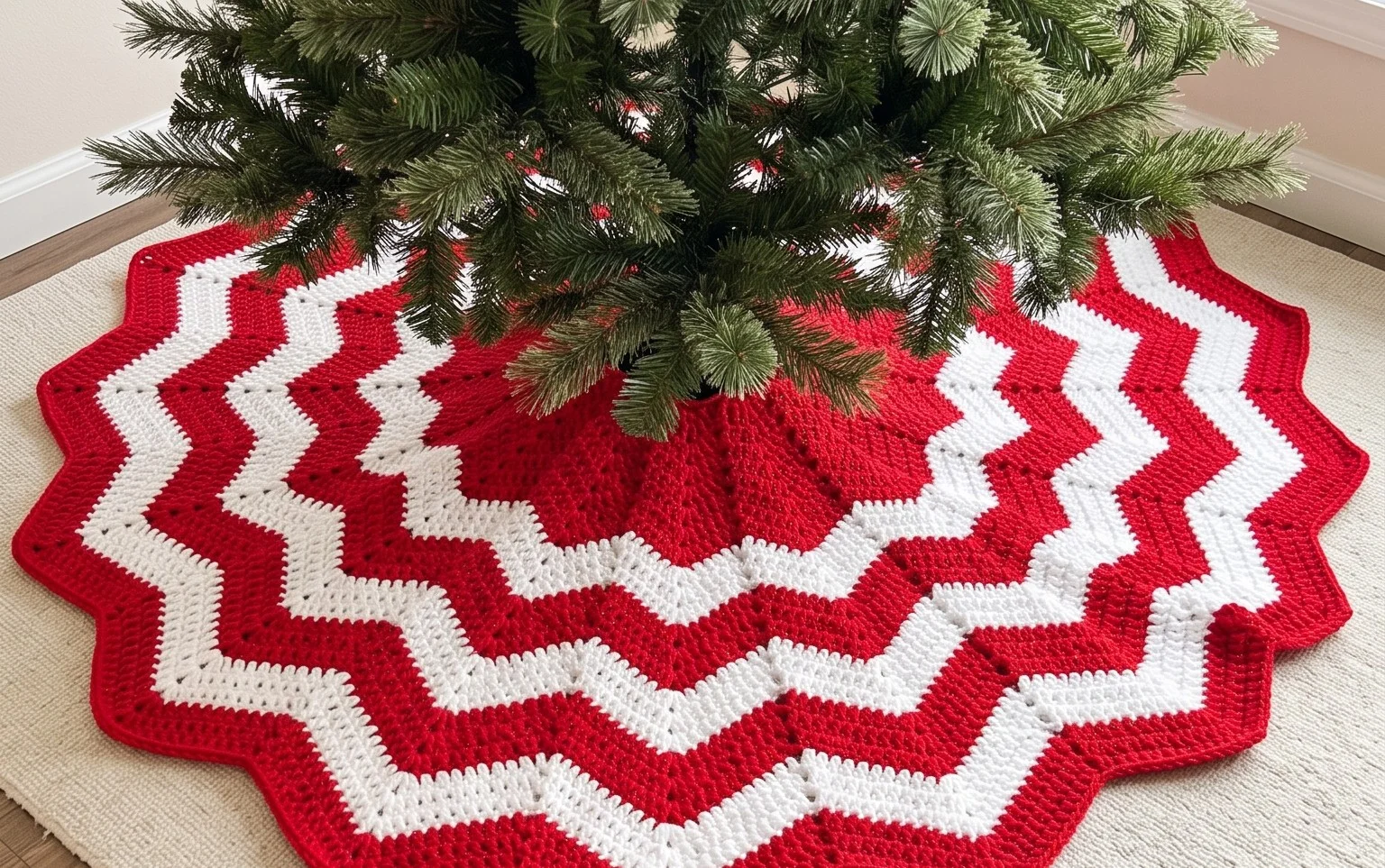
A handmade skirt under the Christmas tree changes the entire look of a room by hiding metal stands and plastic bases with soft texture. Working with thick wool blends gives these covers a heavy, weighted feel that stays flat against the floor even when needles drop or pets walk past. You can create a simple circular design in a weekend, choosing between traditional granny squares or dense, solid stitches that hold their shape for years. This project suits beginners who want to practice increasing rounds, and it offers plenty of room to experiment with chunky yarn weights or metallic accents for holiday sparkle.
Why This Project Is Worth Making
This classic crochet dishcloth is designed using cotton yarn to ensure high absorbency and durability in the kitchen. The texture created by the moss stitch pattern acts as a natural scrubber for dishes, effectively lifting food particles without damaging non-stick surfaces. Because this project uses a repetitive stitch count, it is a relaxing task to pick up during short breaks. You can easily complete a cloth in one or two sittings, making it a reliable choice for last-minute gifts or stocking your own home with handmade essentials.
I managed to finish three of these in one weekend while watching movies. The texture is much sturdier than the store-bought ones I usually buy and the pattern was incredibly easy to memorize after the first few rows.
— Sarah, home cook
Pattern Overview & Skill Level
- Skill Level: Beginner
- Approximate Time: 45 to 60 minutes
- Construction: Flat panel worked in rows
- Finished Dimensions & Sizing: 8 inches by 8 inches
Materials & Supplies Needed
- Yarn: Worsted #4 weight, 100% cotton, approximately 50 yards per cloth.
- Hook Size: 5.0 mm (H-8).
- Notions needed: Tapestry needle for weaving in ends, scissors.
- Safe yarn substitutions: You may use a cotton-linen blend for increased stiffness or a bamboo-cotton blend for a softer feel. Note that acrylic yarn is not recommended for this project as it lacks the necessary absorbency for kitchen tasks.
Stitch Guide & Abbreviations (US Terms)
- ch = chain
- sc = single crochet
- st(s) = stitch(es)
- sk = skip
- turn = turn your work to begin the next row
- Moss Stitch: A pattern consisting of [sc, ch 1, skip 1] repeated across the row.
Step-by-Step Pattern Instructions
Main Dishcloth Body
The foundation chain should be an even number to ensure the moss stitch pattern aligns correctly.
- Foundation: Chain 32.
- Row 1: Sc in 4th ch from hook, *ch 1, sk 1 ch, sc in next ch; repeat from * to end. (15 sc, 15 ch-1 spaces)
- Row 2: Ch 2, turn. Sc in first ch-1 space, *ch 1, sk 1 sc, sc in next ch-1 space; repeat from * until the final sc is worked into the turning ch space. (15 sc, 15 ch-1 spaces)
- Rows 3–30: Repeat Row 2 until the piece reaches a square shape of approximately 8 inches.
Finishing
After reaching the desired length, fasten off by cutting the yarn, leaving a 6-inch tail. Pull the tail through the final loop and tighten. Use a tapestry needle to weave the loose end back into the fabric, moving horizontally through the stitches to ensure it remains hidden during use and repeated washing.
Care & Washing Instructions
- Machine wash in warm water on a gentle cycle to remove oils and food residue.
- Tumble dry on low heat or lay flat on a clean towel to retain shape.
- Avoid using fabric softener, as it leaves a waxy coating that reduces the absorbency of the cotton fibers.
Pro Tips & Common Mistakes to Avoid
Maintain consistent tension throughout the project, as changes in tightness will cause the square to pucker or warp. If your dishcloth begins to slant, check that you are working your final stitch of each row into the turning space rather than missing it.
Place a removable stitch marker in the first stitch of every row. This helps you identify exactly where to work your final stitch on the return pass, ensuring your edges stay straight and the stitch count remains constant.
Weave your ends in multiple directions. If you only move the yarn tail in one straight line, it may work itself loose after repeated cycles in the washing machine.
Adjust the size of your cloth by adding or subtracting stitches in increments of two. Keep in mind that a larger cloth requires more yarn and will take longer to dry between uses, which can lead to mildew if not hung properly.
Frequently Asked Questions
Can I use a different yarn weight for this pattern?
Yes, but you will need to adjust your starting chain and row count. A lighter weight yarn like DK #3 will result in a smaller cloth unless you increase the starting chain length.
Is this pattern suitable for someone who has never crocheted before?
Absolutely. The moss stitch uses only the single crochet and chain stitch, which are the fundamental building blocks of almost all crochet projects.
How do I know if my tension is correct?
Your stitches should be firm but not tight. If the fabric feels stiff and hard to bend, go up one hook size. If the fabric has large holes that look loose, go down one hook size.
Am I allowed to sell the dishcloths I make from this pattern?
Yes, you may sell items made from this pattern. I only ask that you credit the pattern design to me if you are selling them online or at craft markets.
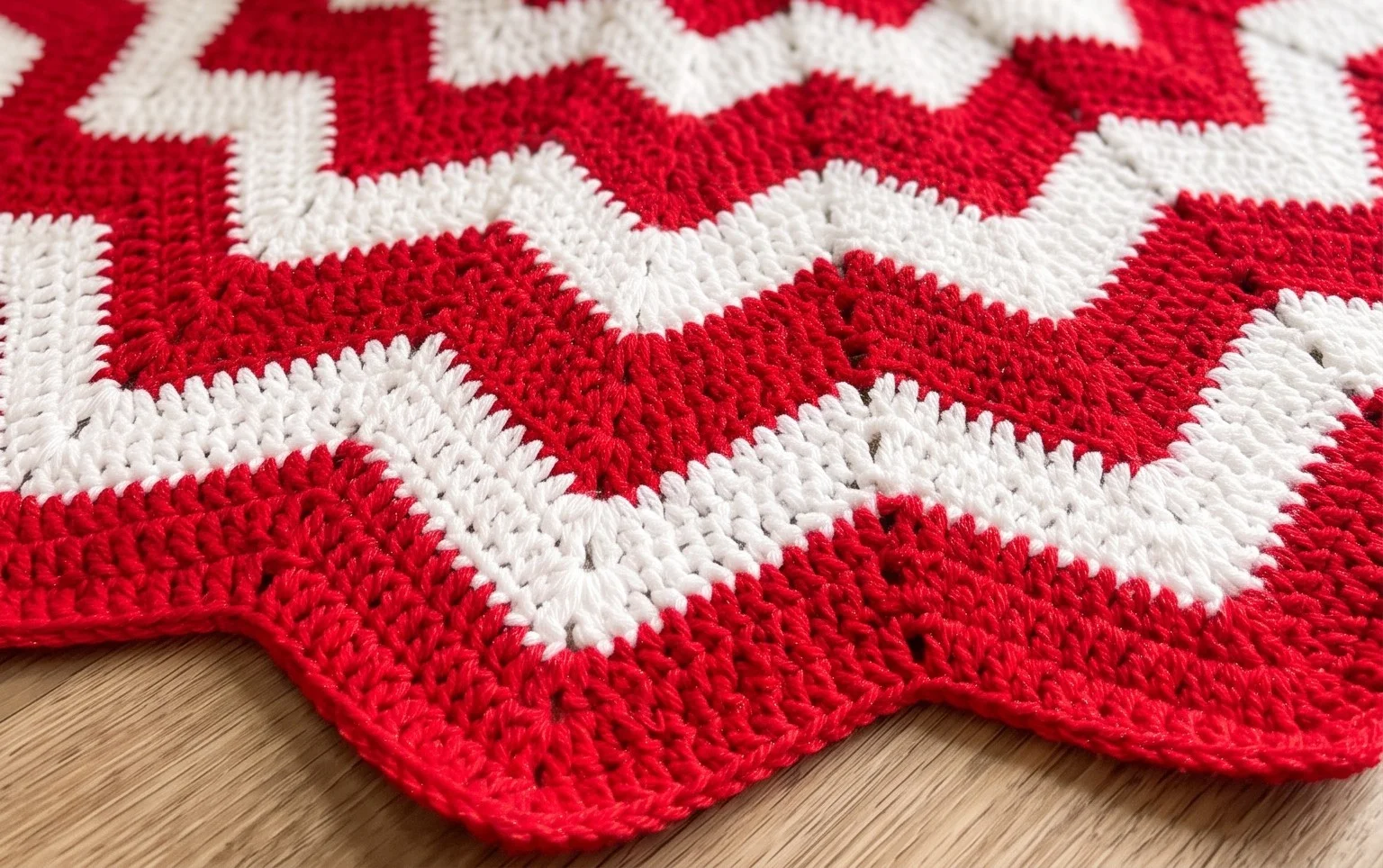
Seeing your handmade base beneath a decorated tree provides a genuine sense of accomplishment during the holidays. You might consider holding two strands of yarn together for a much thicker, more durable fabric that guards your floor from heavy presents. Sharing a photo of your finished work helps other makers see how different color palettes change the mood of the room. Please browse our library for more holiday home accessories and patterns that keep your hands busy during the long winter evenings ahead.