Easy Crochet Snowman Amigurumi: Free Step-by-Step Pattern
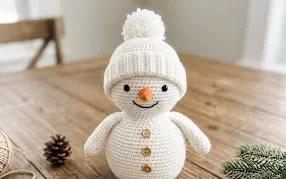
Soft white yarn, a rounded body, and a bright little scarf give this crochet snowman a friendly look that suits a mantel, shelf, or winter gift basket. The finished amigurumi is small enough to display on a desk but has plenty of room for simple details such as a carrot-shaped nose, stitched eyes, and a row of buttons. Beginners can practice single crochet and shaping while working in the round, and experienced crocheters can finish one in an afternoon. This pattern article covers materials, construction, assembly, and ways to adjust the colors or size. You’ll also find practical tips for keeping the stuffing even and attaching the features securely.
Why You’ll Love This Pattern
A firm cotton dishcloth is useful at the sink, easy to wash, and small enough to finish in an evening. This beginner-friendly version uses single crochet throughout, so you can focus on keeping the edges straight rather than learning several stitch patterns.
The simple rows make this a practical project for leftover worsted-weight cotton. Choose one color for a classic cloth or change colors between rows, joining the new yarn at the start of a row. The finished fabric is dense enough for everyday wiping without being difficult to work through.
Sample tester review: The rows were easy to count, and the cotton made a sturdy cloth. I finished it in one sitting and used the stitch pattern again for a second one.
The straight rows made this a comfortable first dishcloth. Mine has a firm texture and is easy to rinse out.
— Mara, beginner crocheter
Pattern Overview & Skill Level
- Skill Level: Beginner. You will chain, single crochet, turn, and work evenly across rows.
- Approximate Time: About 2–3 hours, depending on your pace and how often you pause to count.
- Construction: A flat rectangle worked back and forth in single crochet rows, with no border or seaming.
- Finished Dimensions & Sizing: About 7.5 × 6.7 inches (19 × 17 cm) after washing and drying flat. Individual tension and yarn can change the finished size.
Materials & Supplies Needed
- Yarn: About 90–110 yards (82–101 m) of worsted-weight cotton yarn, approximately 50 g. One color is enough; use a second color for optional row changes. Cotton absorbs water and tolerates frequent washing.
- Hook Size: 4.0 mm / G-6 crochet hook. Use the hook that gives you a firm but comfortable fabric.
- Notions: Tapestry needle for weaving in ends, scissors, and a ruler or tape measure. A stitch marker is optional but can mark the first stitch of a row.
- Substitutions: Another 100% cotton yarn in a similar worsted weight is the closest substitute. Cotton blends may dry faster or feel less absorbent; acrylic is less suited to wiping up spills. A different yarn weight or hook can change both the cloth’s size and its texture.
Stitch Guide & Abbreviations (US Terms)
- ch = chain.
- sc = single crochet: insert the hook in the stitch, yarn over and pull up a loop, yarn over and pull through both loops.
- st(s) = stitch(es).
- rep = repeat.
- turn = rotate the work to begin the next row from the opposite side.
The turning chain does not count as a stitch in this pattern. Work the first single crochet into the first stitch of each row, not into the turning chain. This keeps the sides even.
Step-by-Step Pattern Instructions
Dishcloth
Use a 4.0 mm hook and worsted-weight cotton. The pattern is written in US terms. Ch 31 for the foundation. The first stitch is worked into the second chain from the hook, leaving 30 stitches across each row.
- Row 1: Sc in the second ch from the hook and in each ch across. Turn. (30 sts)
- Row 2: Ch 1, sc in each st across. Turn. (30 sts)
- Rows 3–10: Rep Row 2 eight times. (30 sts each row)
- Rows 11–20: Rep Row 2 ten times. (30 sts each row)
- Rows 21–30: Rep Row 2 ten times. (30 sts each row)
After Row 30, fasten off, leaving a tail long enough to weave in comfortably. Pull the yarn through the final loop to secure it. Use a tapestry needle to weave each end through several stitches on the wrong side, changing direction once so the tail is less likely to loosen during washing.
Finishing
Lay the cloth flat and check that it measures close to 7.5 × 6.7 inches. Gently ease the corners into shape without stretching the edges. If you changed colors, weave in each color tail separately. Wash before first use to remove any handling residue and let the fabric settle into its final shape.
Care & Washing Instructions
- Wash cotton in a machine on a gentle or normal cycle with cool or warm water, up to about 40°C (104°F), unless the yarn label gives different directions.
- Dry flat or tumble dry on low heat; high heat can shrink some cotton yarns.
- Reshape the damp cloth by smoothing its corners and edges, then leave it flat to dry. Blocking is usually unnecessary.
Pro Tips & Common Mistakes to Avoid
- Keep your tension consistent. If the cloth feels stiff or is much smaller than expected, try a hook one size larger; if it feels loose and has visible gaps, try one size smaller.
- Count the 30 stitches at the end of every row, especially the first few. A stitch marker in the first stitch can help you spot the row edge and avoid skipping it.
- Do not work into the turning chain. Since it does not count as a stitch, putting a single crochet there adds an unwanted stitch and makes the edge widen.
- To make the cloth wider or narrower, change the foundation chain by the number of stitches you want to add or remove. Each extra chain adds about one stitch of width and uses a little more yarn. Add or remove rows to change the length; more rows also mean more yarn and crochet time.
Frequently Asked Questions
Can I use a cotton blend instead of 100% cotton?
Yes. A cotton blend close to worsted weight will work, though its absorbency, drying time, and drape may differ. Check the yarn label and make a small swatch if you want to compare the fabric before starting.
How can I make the dishcloth larger?
Add chains to the foundation for more width, then add rows for more length. Keep track of the new stitch count and expect the larger cloth to use more yarn. Changing yarn weight can also change the dimensions.
Is this pattern suitable for a first crochet project?
Yes. It uses only chains and single crochet stitches. The main challenge is maintaining 30 stitches in every row, so count regularly and check that the sides stay straight as the cloth grows.
May I sell dishcloths made from this pattern?
Check the designer’s terms before selling finished items. If you do sell them, describe the yarn and care instructions accurately, and do not claim that handmade cotton cloths are identical in size or appearance.
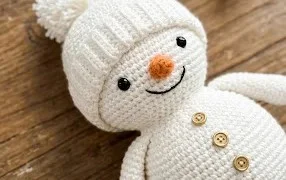
Your finished snowman will bring a little handmade winter cheer to a shelf, gift basket, or holiday table, with its rounded shape and cheerful scarf. For a simple variation, use a smaller hook and thinner yarn to make a petite ornament, or choose a different scarf color to match your décor. If you make one, share a photo on Pinterest or your favorite social media platform so other crocheters can see your version. Then explore more free patterns on the blog for another relaxing project to work on with your yarn and hook.